Highlight:
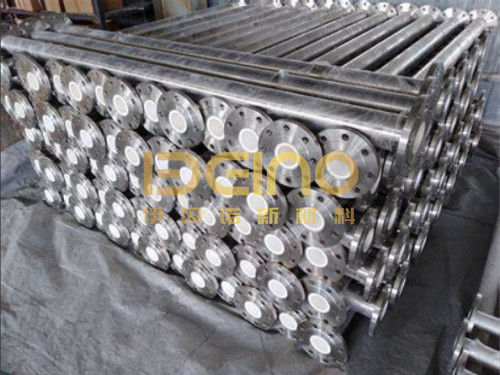
Customized Ceramic Sleeve Lined Pipe
, Customized Ceramic Lined Bend
, Coal Mine Ceramic Lined Bend
Customized Ceramic Sleeve Lined Pipe Ceramic Lined Bend In Coal Mine
Customized Ceramic Sleeve-Lined Pipe Ceramic-Lined Bend In Coal Mine
When a coal slurry line needs a replacement bend, “coal slurry” alone gives limited information about the wear duty. A stream carrying mostly fine coal particles places different demands on the lining from one that also contains coarse mineral fragments. Changes in the feed can therefore affect the next replacement specification.
ELACERA supplies customized ceramic sleeve-lined pipe bends for coal mine conveying systems. The alumina ceramic lining protects the internal wear surface, while the carbon steel body provides structural support. Bend geometry, ceramic thickness, and connections are reviewed against the drawing and the material being conveyed.
Specify the Solids in the Coal Slurry
For a coal preparation line, provide the usual particle size distribution and the largest particles expected to reach the bend. Include any available screening information and identify whether sand, stone, or other mineral fragments are present.
Fine particles and occasional coarse particles should both be considered. An average particle size can hide the larger material that influences local impact and the required flow passage.
Solids concentration also matters. State the normal concentration and its operating range, particularly where feed conditions change between production runs. These details help determine whether the proposed lining suits the actual material stream.

Include Low-Flow and Restart Conditions
The bend may experience more than its normal production flow. Reduced throughput, shutdowns, and restarts can change how solids move through the pipe.
Coarser particles can settle more readily when slurry velocity falls. Where deposits form, restarting the line may involve different conditions from steady conveying. Record whether the line is drained, flushed, or left full during a stop.
For a recurring wear problem, identify when it became noticeable and whether it followed a change in feed, pump operation, or production schedule. This makes the replacement review more specific than selecting the same ceramic thickness again.
Ceramic Material Reference
|
Property
|
92% Alumina
|
95% Alumina
|
|
Al₂O₃ Content
|
≥92%
|
≥95%
|
|
Density
|
≥3.6 g/cm³
|
>3.75 g/cm³
|
|
Rockwell A Hardness
|
≥82 HRA
|
≥85 HRA
|
|
Vickers Hardness
|
≥1150 HV10
|
≥1200 HV10
|
|
Flexural Strength
|
≥290 MPa
|
≥330 MPa
|
|
Fracture Toughness
|
≥3.8 MPa·m½
|
≥4.0 MPa·m½
|
These are reference ceramic properties. The grade, acceptance values, and required inspection documents are agreed with the order.
Ceramic thickness and material grade are selected together with particle characteristics and the lining support. The pressure capability is established for the complete steel bend and its connections.
Agree on the Finished-Bend Inspection
A ceramic material report provides useful information about the wear material. The completed bend also needs dimensional and assembly checks.
For sleeve or ring lining, inspect the transitions between ceramic sections and the condition of the end edges. The drawing should identify the required finished bore and the location where the ceramic terminates.
|
Inspection Item
|
Points to Agree
|
|
Ceramic Material
|
Specified alumina grade and required batch documentation
|
|
Bend Geometry
|
Bend angle, centerline radius and overall dimensions
|
|
Internal Passage
|
Finished bore, ceramic joints and acceptable internal steps
|
|
Lining Condition
|
Visible cracks, chipped edges and lining termination
|
|
End Connections
|
Connection dimensions and orientation against the drawing
|
|
Assembly Testing
|
Project-specified tests and records, where required
|
The inspection scope and acceptance criteria are confirmed before production. Photographs of the existing wear area can also be referenced during the drawing review.
FAQ
How should slurry concentration be stated?
Identify whether the figure is a percentage by weight or by volume. Provide the usual concentration and the highest expected value. If you only have slurry density data, include the available information about the solids and carrier liquid.
Can this bend also be specified for dry coal powder?
Dry conveying requires its own operating information, including airflow or conveying velocity, solids loading, temperature and pressure. The drawing can provide the starting geometry, with the lining reviewed for the confirmed duty.
Request a Customized Coal Mine Bend Quote
Send ELACERA the bend drawing, quantity, and connection details. For coal slurry service, include particle size, solids concentration, operating flow, temperature, and pressure.
If a previous bend wore out early, add photographs with the flow direction marked. Tell us about any recent change in the feed or operating schedule so the quotation can address the conditions behind the replacement requirement.

 Your message must be between 20-3,000 characters!